The Softest Sourdough Sandwich Bread You’ll Ever Bake!
This soft sourdough sandwich bread recipe has gone viral on social media, with over 1.5 million views, and I get messages every day from people who love how easy and foolproof it is. Whether you’re a beginner or a seasoned baker, this method—using two loaf pans—creates the softest, fluffiest sourdough bread you’ll ever make!
This post may contain affiliate links. As an Amazon Associate I earn from qualifying purchases. This means I may earn a small commission at no additional cost to you if you make a purchase through one of my links. Thank you for using them and supporting my content!
Why You’ll Love This Recipe
- Beginner-friendly: Simple steps and pantry ingredients make this approachable for new bakers.
- Same Day or Overnight recipe: No need to wait 24+ hours for your bread.
- Soft & fluffy: The two-pan method locks in moisture, creating a tender crust.
- Customizable: Add inclusions inside or on top for different flavors.
How to Make Soft Sourdough Sandwich Bread
Step 1: Mix the Dough
In a large mixing bowl, whisk together 150g active sourdough starter, 325g warm filtered water, 20g avocado oil (or cooled melted butter/olive oil), and 25g honey until combined. Stir in 500g unbleached flour and 10g salt until a shaggy dough forms. Cover and let it rest for 1 hour.
Step 2: Stretch & Fold
Perform four sets of stretch and folds every 30 minutes to build structure in the dough. This helps develop the gluten for a soft yet structured loaf. Spray or wet your hands with water to prevent the dough from sticking.
Step 3: Bulk Ferment
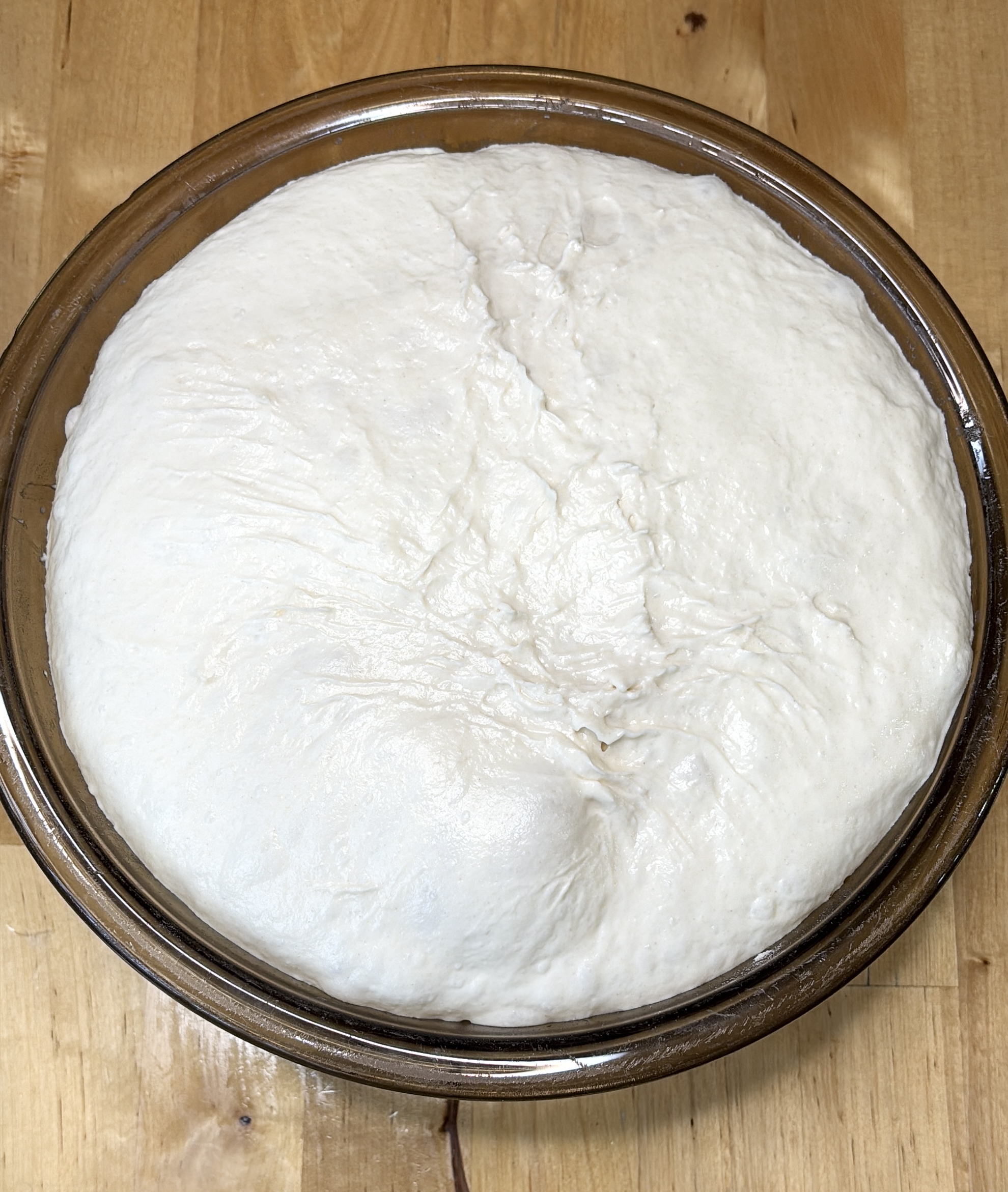
Cover and let the dough continue to bulk ferment. Bulk fermentation is the first long rise after mixing your dough, where the sourdough starter ferments the flour, creating air bubbles and developing flavor.
Bulk Fermentation times depend on your dough temperature, so they are different for everyone. If your house/dough is warmer it will ferment faster. If it’s cooler, it will ferment slower. You’ll know it’s ready when it’s doubled in size, bubbly, and airy.
I like to use this chart as a guideline, but I use the visual cues (mentioned above) to know when my dough is done. This may take some practice to get down if you’re new to baking sourdough.
| Dough Temp | Typical Bulk Time* |
|---|---|
| 80°F / 27°C | 5–6 hours |
| 75°F / 24°C | 7–8 hours |
| 70°F / 21°C | 11–12 hours |
| 65°F / 18°C | 15–16 hours |
*Time starts from the initial mix in step 1.
Be careful not to let this stage go too long—overfermentation can cause the yeast to break down the gluten structure, leaving you with dough that’s overly sticky and hard to shape.
Step 4: Shape the Dough
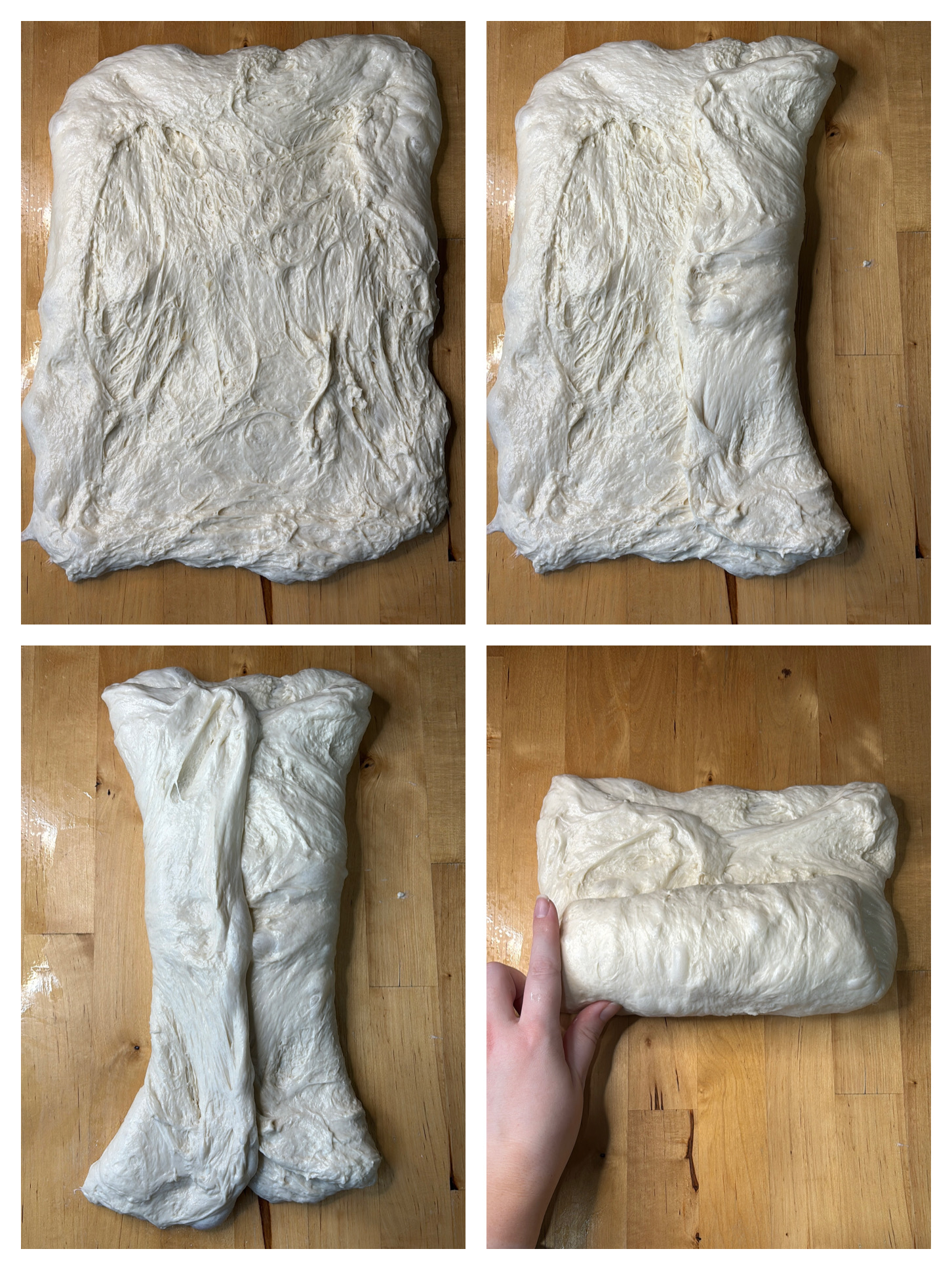
Dump the dough from the bowl onto a clean surface. Spray or wet your hands with water to prevent the dough from sticking. Gently shape the dough into a loaf by stretching it into a rectangle, folding in the right side to the middle, then the left side into the middle, and rolling upward into a log. I also show this technique in my video below. Place it seam-side down in a well greased loaf pan.
Step 5: Second Rise–Proof
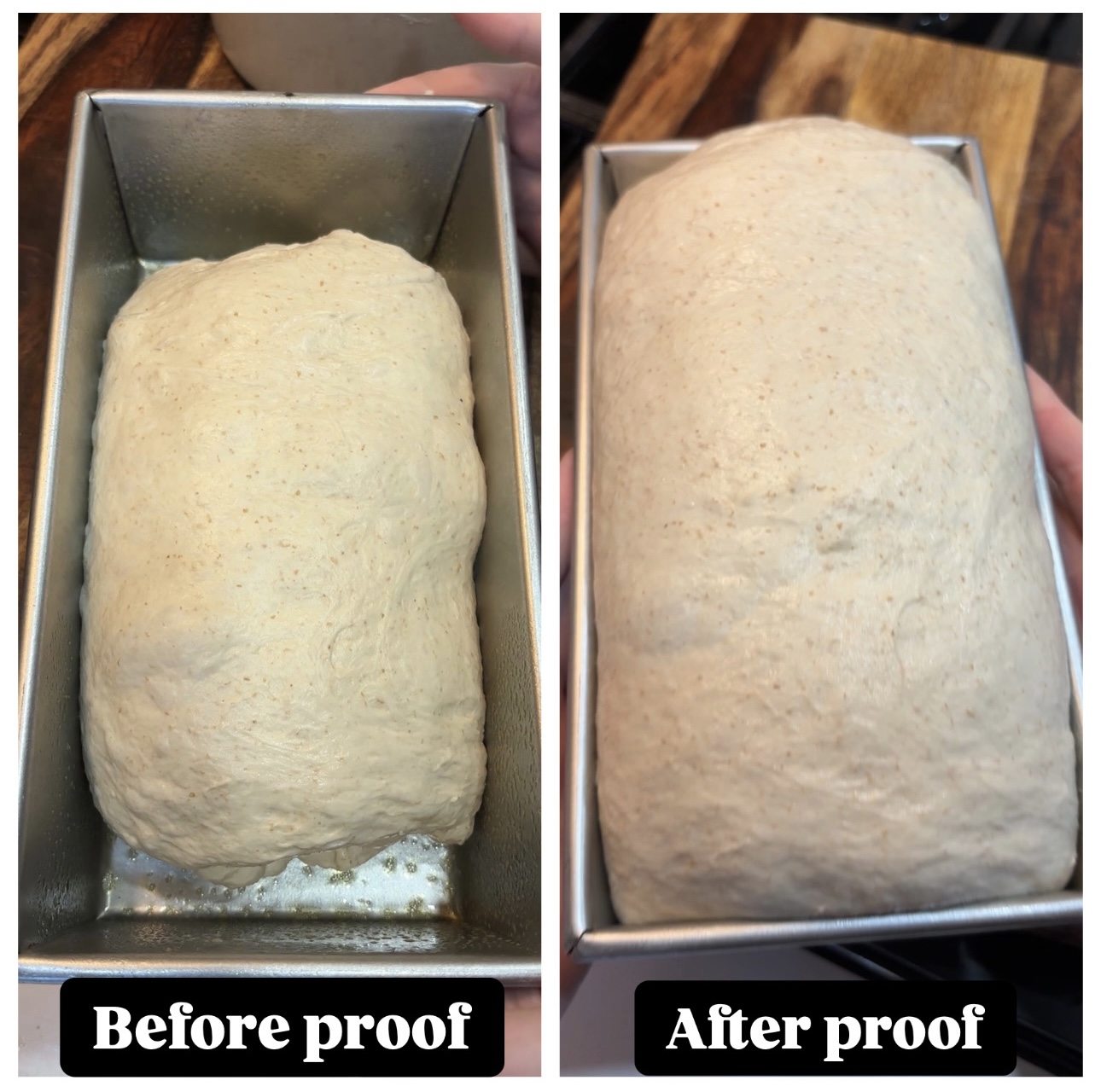
Now it’s time for the second rise. You have two options:
- Same day option: Let it proof at room temperature for about 2 more hours before baking.
- Overnight cold proof: Let it cold proof in the refrigerator overnight or up to 24hrs.
Step 6: Bake
- Preheat oven to 400°F (200°C).
- Score the top of the dough and spray it lightly with water.
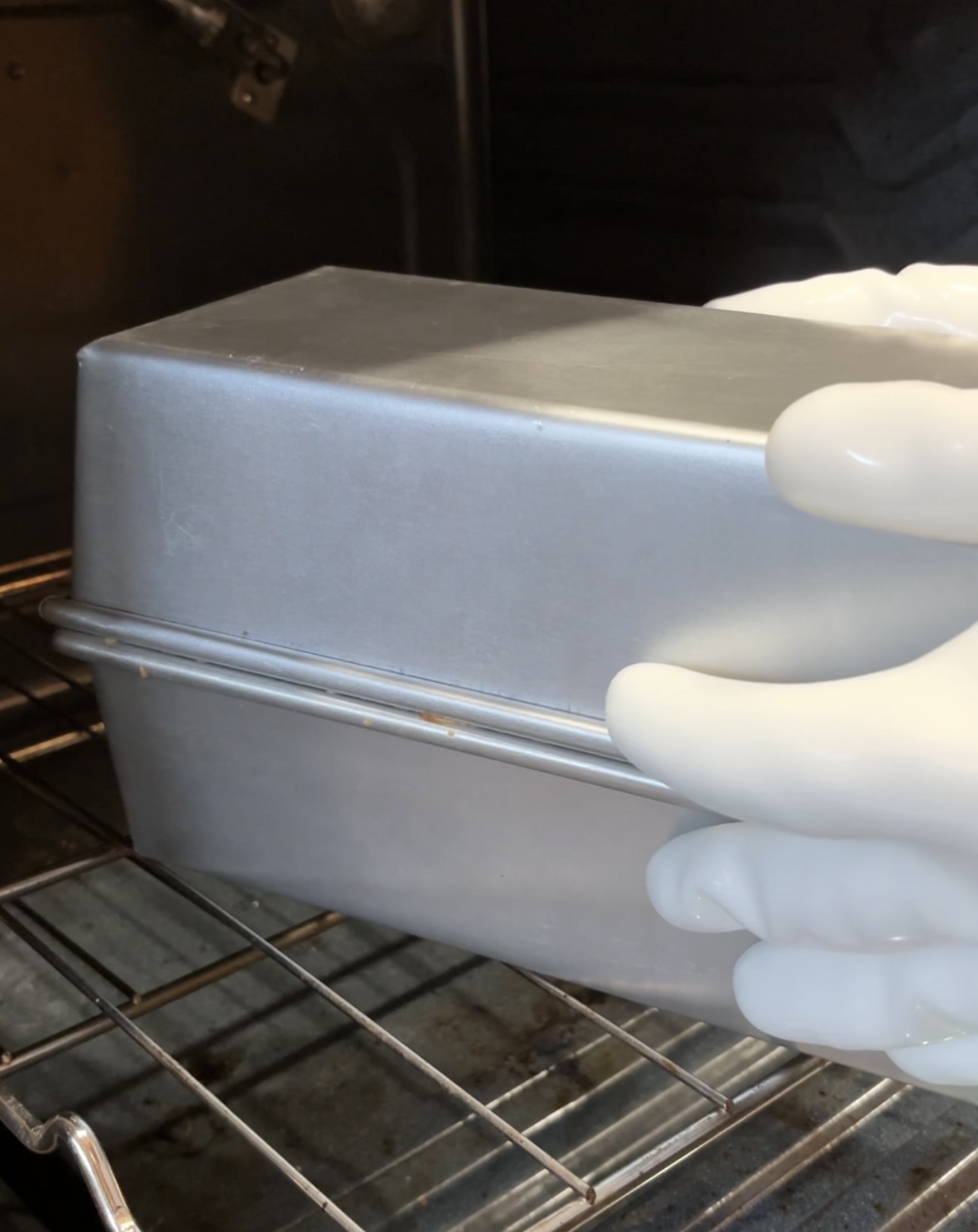
- Cover with an inverted second loaf pan (or loosely greased foil) to trap steam for the softest loaf. The inverted loaf pan method is shown below.
- Bake for 30 minutes at 400°F, then uncover and bake for 15 minutes at 375°F.
Step 7: Check for Doneness
Use a digital thermometer—your bread is fully baked when the internal temperature reaches 205°F (96°C).
Step 8: Cool & Enjoy!
Remove from the pan immediately and let it cool completely before slicing. This helps set the crumb and keeps it soft
How to store:
To keep my sourdough fresh, I store it in these sandwich bags from Amazon, which come with twist ties and mimic traditional storage methods. I usually keep the loaf on the counter for up to 2 days, then slice and freeze any leftovers. Sourdough freezes exceptionally well—just thaw slices as needed for fresh-tasting bread anytime!

Make it your own!
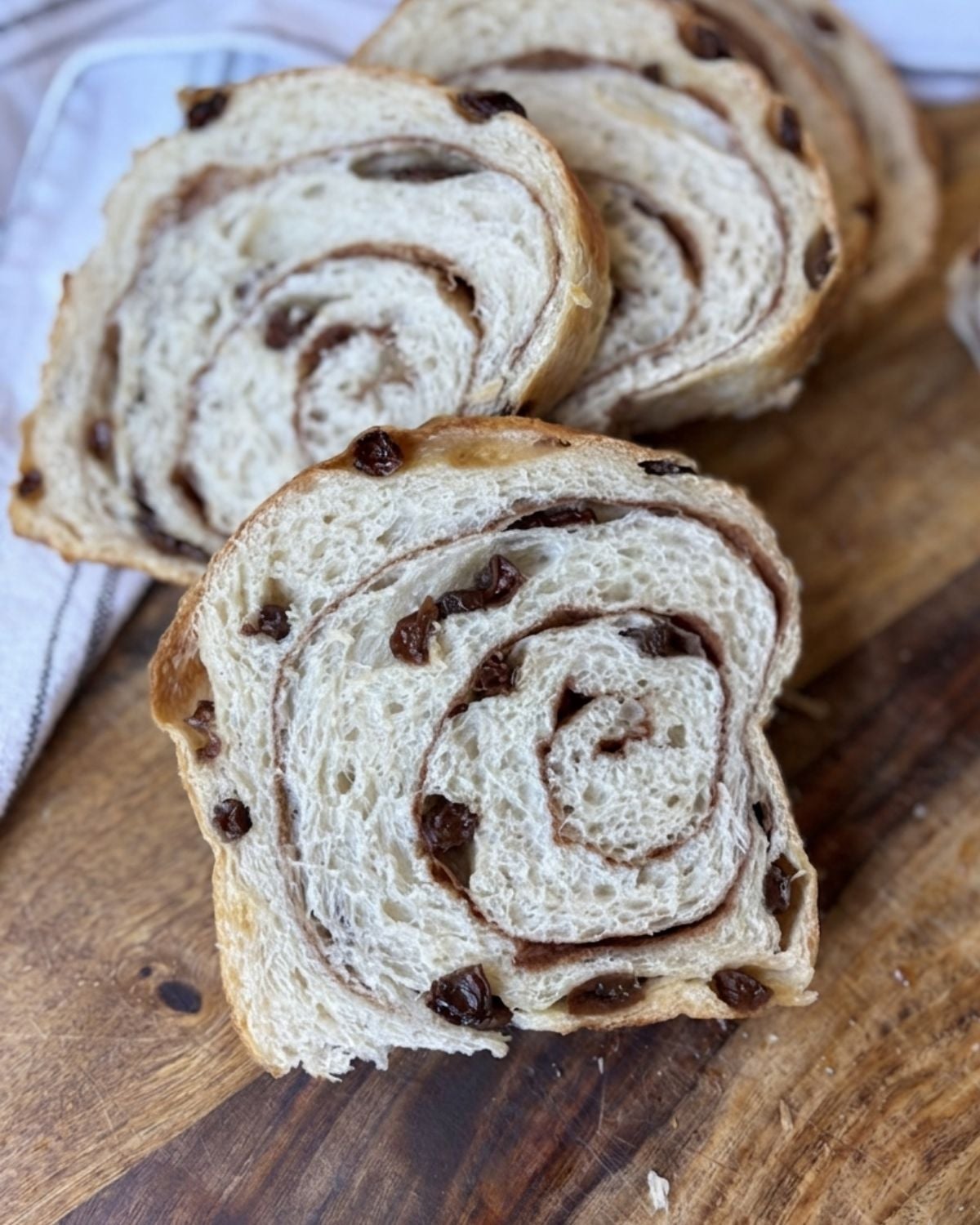
This soft sourdough sandwich bread is a great base recipe—and it’s super versatile! Once you’ve nailed the original, feel free to get creative by mixing in your favorite add-ins like shredded cheese, fresh or dried herbs, cinnamon & sugar, or seeds.
Here are a couple fun variations to inspire your next loaf:
–Italian Herb & Cheese Soft Sandwich Bread – Savory herbs and cheesy flavor in every slice!
–Sourdough Lemon Blueberry loaf with Lemon Jell-O Pudding Mix — Soft and lightly sweet, packed with lemon flavor!
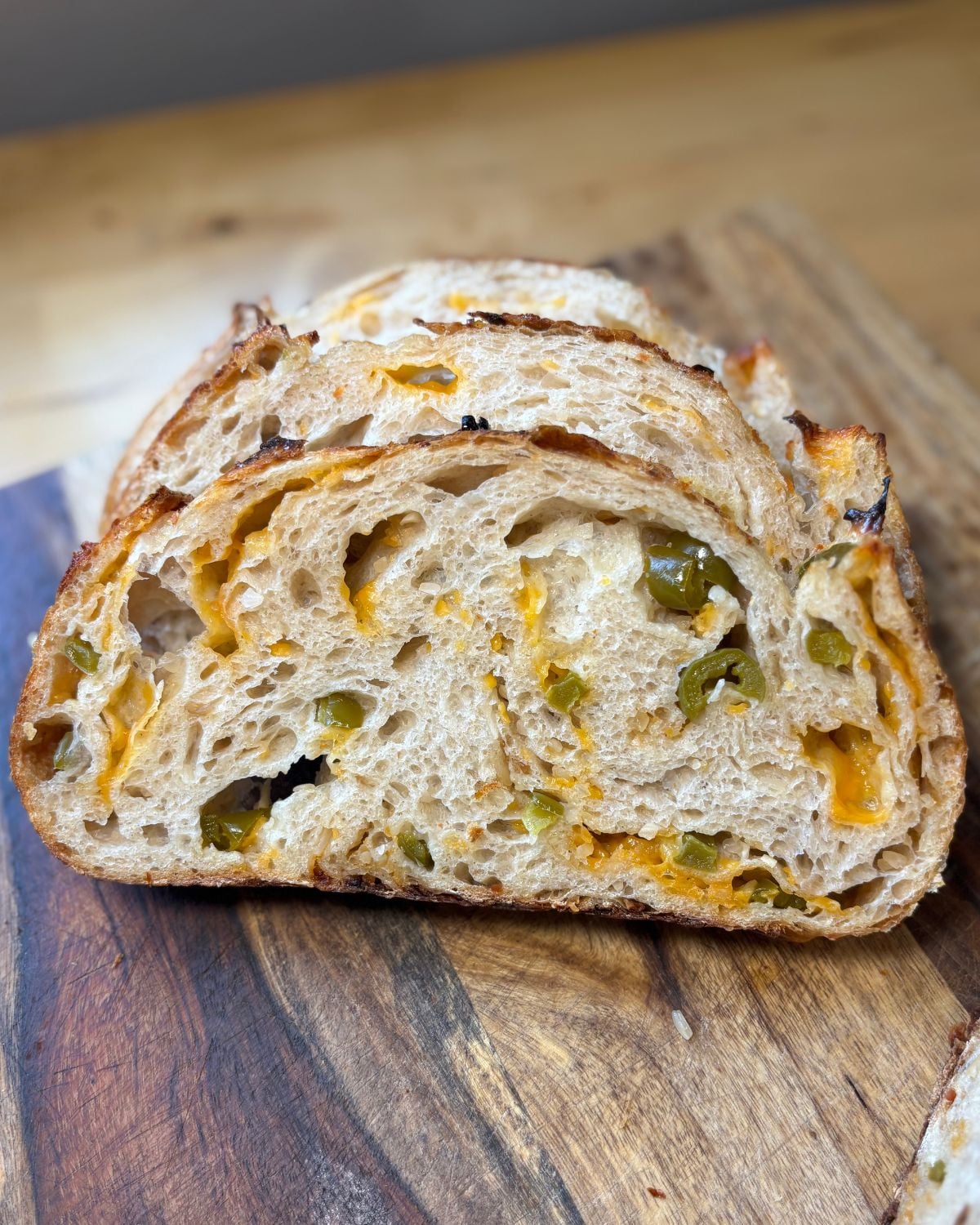
–Hot Honey, Jalapeño, & Cheddar Soft Sandwich Bread – a spicy-sweet twist on the classic!
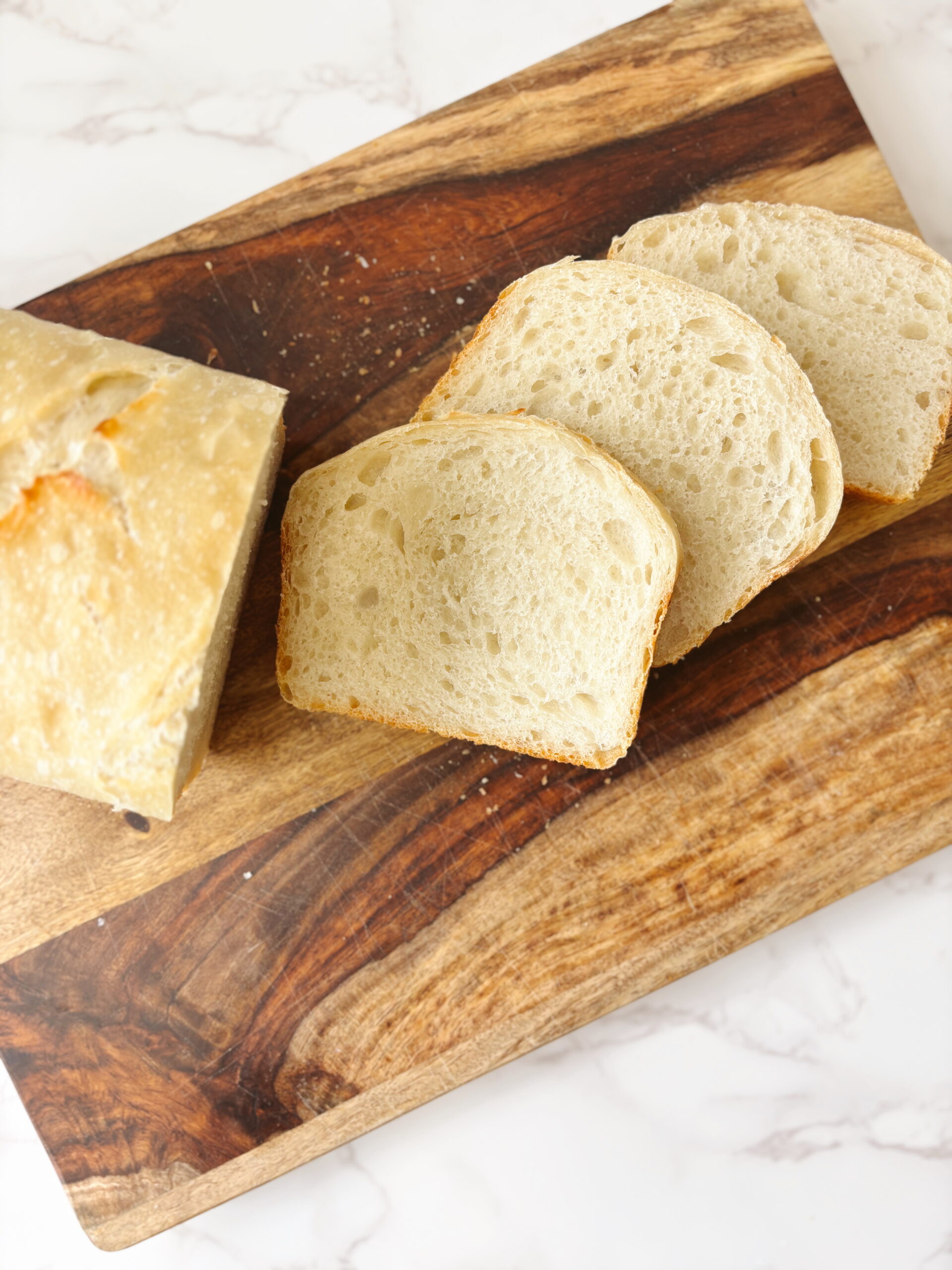
Soft Sourdough Sandwich Bread
Equipment
- 1 Medium/Large bowl
- 1 Bowl cover (I like plastic shower caps for holding in moisture)
- 2 Bread Pans or 1 pan and a sheet of foil (9×5 or 10×5 pans)
- 1 Long sandwich bag for storing
Ingredients
- 150 g Active sourdough starter
- 325 g Warm filtered water
- 20 g Avocado oil can sub for olive oil or cooled melted butter
- 25 g Honey
- 500 g Unbleached Flour bread or all purpose work here
- 10 g salt
Instructions
- Combine Ingredients: Mix 150g starter, 325g water, 20g avocado oil, and 25g honey until milky. Add 500g unbleached flour and 10g salt, mix until you get a shaggy dough. Cover with a damp cloth or plastic cover and rest 1 hour.
- Stretch & Fold: Do 4 sets of stretch and folds, 30 minutes apart. Spray or wet your hands with water to prevent the dough from sticking.
- Bulk Ferment: Cover and let dough rise, you’ll know your dough is done when it’s just about doubled in size, bubbly, jiggly, and airy.I like to use this dough temp vs. time as a guideline, but I use the visual cues (mentioned above) to know when my dough is done. This may take some practice to get down if you’re new to baking sourdough.Dough Temp vs. Typical Bulk Time*80°F / 27°C 5–6 hours75°F / 24°C 7–8 hours70°F / 21°C 11–12 hours65°F / 18°C 15–16 hours*Time starts from the initial mix in step 1.
- Shape: Dump the dough from the bowl onto a clean surface. Spray or wet your hands with water to prevent the dough from sticking to them. Gently shape the dough into a loaf by stretching it into a rectangle, folding in the right side to the middle, then the left side into the middle, and rolling upward into a log. I also show this technique in my video below. Place it seam-side down in a well greased loaf pan.
- Second Rise/Proof:Same day option: Let it proof at room temperature for about 2 more hours before baking. Make sure it has puffed up in the pan before baking.Overnight cold proof: Let it cold proof in the refrigerator overnight or up to 24hrs. Make sure it has puffed up in the pan before baking.

- Bake: Preheat oven to 400°F (200°C). Score dough, spray with water, cover with an inverted second loaf pan or greased foil loosely, and bake: 400°F for 30 minutes (covered) then 375°F for 15 minutes (uncovered)
- Temp bread: Use a digital thermometer to check for doneness. Bread should be 205°F.
- Cool: Remove from pan immediately and let cool before slicing.


Leave a Reply